Bread, Butter and Bluff: A Field Guide to French Bistros in Britain
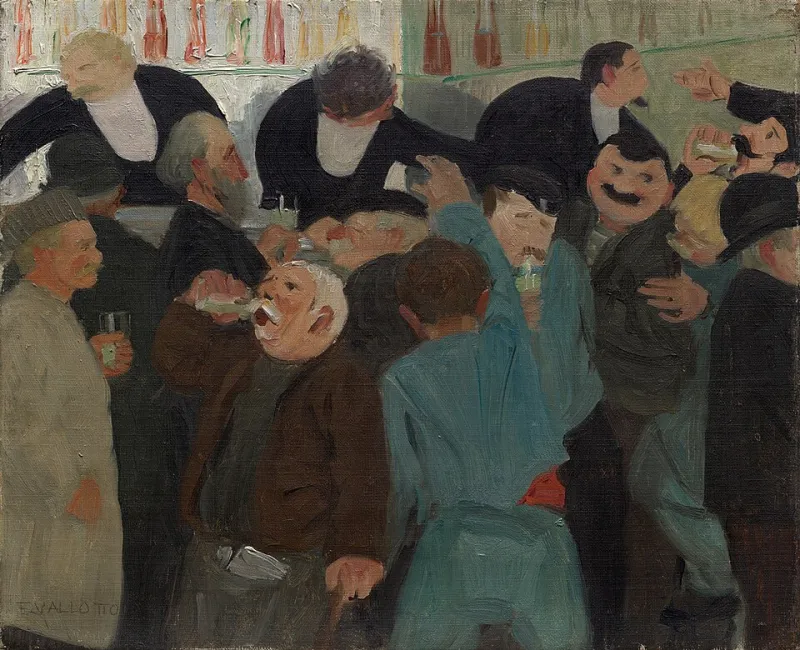
Photo: Félix Vallotton, CC0, via Wikimedia Commons
Britain has fallen hard for the French bistro. Every high street now has a place with rattan chairs, a chalkboard and a waiter called Jean-Luc who is actually from Chelmsford. Some of these places are wonderful. Some are a theme park with a wine list. Here is a field guide for 2026, so you can tell the difference before you order.
The Bread and Butter Test
Before you even look at the menu, look at the bread. If it is a good baguette with a proper crust, and the butter is real butter served at room temperature, you are on to something. If it arrives in a plastic basket with foil-wrapped pats of margarine, leave. This is the cheapest test and the most reliable. A bistro that cannot get bread and butter right is not a bistro. It is a café with ideas above its station.
The Menu Language Test
Beware the phrase 'French-inspired'. Beware 'bistro' with a z. A proper French neighbourhood restaurant does not need to explain itself. Look for plat du jour, not 'Today's Special Board'. Look for dishes that sound like they have been cooked a thousand times: steak frites, oeuf mayo, saucisson, rillettes, a simple fish with beurre blanc. If the menu has forty-seven dishes including a curry and a burger, it is not a bistro. It is a crowd-pleaser with a French accent.
The Plat du Jour Test
Order the plat du jour. This is the single best way to judge a French restaurant in Britain. If it is a real plat du jour, it will be cooked with the confidence of a kitchen that knows it will sell out. It will be simple, seasonal and priced fairly. If it is a tired omelette with a sad salad, you have your answer. Pay, leave, and do not return.
The Wine List Test
A good bistro wine list is short, French and affordable. It should have a house wine you can drink without a meeting. It should not be a novel with tasting notes by a sommelier who wants to be a novelist. If every bottle is over thirty pounds and described as 'a whisper of graphite', be suspicious. A proper neighbourhood restaurant wants you to order a carafe, not a consultation.
The Service Test
Service in a real bistro is friendly, not fawning. Efficient, not frantic. They should let you sit and talk. They should not ask 'Have you dined with us before?' in a French accent. They should bring water without being asked and leave you alone. If the waiter recommends the plat du jour and then disappears, that is a good sign. If they try to upsell you to the tasting menu, it is not.
The Room and the Clientele Test
Look around. Are there locals? Good. Are there people who look like they have been coming for years? Better. Is the room warm, slightly cramped, and full of noise? That is a bistro. If it is a vast, echoing space with a DJ and a photo of the Eiffel Tower, you are in a pastiche. A proper bistro feels like a living room with a kitchen attached. It does not feel like a concept.
The Bill Test
A proper bistro is not cheap, but it is fair. If you pay ninety pounds for two courses and a carafe, you should be eating something memorable. If you pay forty pounds and everything is lovely, you have found a gem. The bill should make you feel pleased, not fleeced. That is the difference between a neighbourhood restaurant and a tourist trap.
What to Order When You Find One
Order the steak frites. Order the oeuf mayo. Order a plate of saucisson to share. Order the plat du jour. Order cheese instead of dessert, or a tarte tatin if they have it. Avoid the 'French burger'. Avoid anything described as 'deconstructed'. Drink the house red. Become a regular. Learn the waiter's name. That is how neighbourhood restaurants survive.
The bistro is not a museum. It is a living room with a kitchen and a wine list. If it feels like that, you have found the real thing. If it feels like a theme park, you have found lunch. Either way, you have learned something.