Nobody Invited the Parsley, and That’s the Point
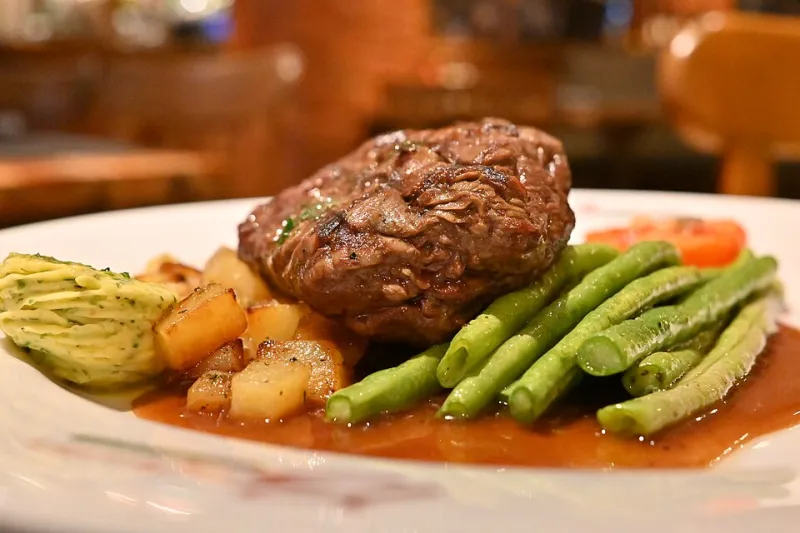
Photo: PattayaPatrol, CC BY-SA 4.0, via Wikimedia Commons
There is a moment, just before a French-ish dinner lands on the table, when the cook looks at the plate and feels a small, nagging emptiness. The chicken is bronzed. The potatoes are crisp. The wine is open. And yet the whole thing has the emotional range of a Sunday church noticeboard. What it needs is not another pan. It needs a bowl.
Not a grand bowl. Not a sauce boat with a backstory. Just a small, unglamorous dish of something sharp, green, mustardy or faintly mad, spooned alongside the main event like a rude remark at a wedding. The French do this without ceremony. We British treat condiments as either ketchup or a confession. It is time to get over it.
The main event is not the whole event
British home cooks are generous, diligent and quietly heroic about the centrepiece. We will brine a chicken, argue about roast potatoes and spend forty minutes reducing something that will eventually be described as gravy. Then we serve it with a naked plate and hope atmosphere will do the rest.
Meanwhile, the thing that makes a dinner feel finished often costs less than a bus fare. A handful of parsley, a spoon of Dijon, a splash of vinegar, a blob of crème fraîche: this is not cooking, it is admin with benefits. It also gives you something to do while the meat rests, which is useful if you are the sort of host who interprets resting as an invitation to reorganise the cutlery drawer.
The fifth sauce is not a mother sauce, a status symbol or a recipe you need to read twice. It is the little bowl that says: yes, I thought about this. It is also the bowl that saves you when the main event has been in the oven eleven minutes too long and the conversation has turned to energy bills.
What makes a good unasked-for bowl
It should be sharper than you think. Fat needs acid the way a British summer needs a backup plan. It should be small enough to look casual and large enough to be useful. It should not require a blender, a sieve or a trip to a specialist shop. And it should be made at the last minute, or near enough, because the whole point is that it is a flourish rather than a project.
Most importantly, it should not apologise. A bowl of green sauce is not a garnish. A garnish is a decorative promise that something better is coming. A fifth sauce is a contribution.
Four bowls to make while the meat rests
1. Parsley, vinegar, garlic, oil
This is the one to master first. Chop a large handful of flat-leaf parsley — stalks and all, unless you enjoy fiddling — and put it in a bowl with a small crushed garlic clove, a tablespoon of red wine vinegar, four tablespoons of olive oil and a good pinch of salt. Stir, taste, add more vinegar if it tastes flat. It should make you wince slightly, then immediately want another spoonful. Spoon it over roast chicken, lamb chops, potatoes, or a plate of beans that has been having a quiet crisis.
2. Mustard crème
Mix three tablespoons of crème fraîche with a heaped teaspoon of Dijon, a squeeze of lemon, plenty of black pepper and a little salt. That is it. It is not sophisticated. It is, however, the difference between a plate of ham and an event. Use it with cold roast beef, smoked fish, blanched leeks or the aforementioned potatoes. If you have chives, add them. If you do not, do not make a thing of it.
3. The anchovy-garlic looseness
Mash two anchovy fillets to a paste with a small garlic clove and a teaspoon of Dijon. Beat in four tablespoons of olive oil, a teaspoon of red wine vinegar and a squeeze of lemon. Add chopped parsley if you have it. This one is salty, punchy and entirely capable of making a plain grilled chop feel like a bistro plate. It also works on boiled eggs, which is either a triumph or a cry for help depending on your afternoon.
4. The tantrum in a bowl
This is the sauce that started the argument. Take a handful of soft herbs — parsley, tarragon, dill, whatever is alive in the fridge — and chop them roughly. Add a chopped cornichon or two, a teaspoon of capers, a teaspoon of Dijon, a splash of red wine vinegar, four tablespoons of olive oil and a lot of black pepper. Taste it. It should be too sharp, too salty and slightly unreasonable. That is the point. It is essentially a tantrum in a bowl, and it will improve almost any roast, fish or potato in the house.
The rules of the little bowl
Make it small. Put it on the table with a spoon, not a lecture. Do not ask whether anyone wants it; people who are asked about sauce become suspicious. If someone ignores it, that is their business. If someone asks what is in it, tell them and then change the subject, because nothing kills a good condiment like a recipe negotiation at the table.
And if you forget it entirely — if the meat is carved, the plates are hot and the little bowl is still on the counter — do not panic. Spoon it over the potatoes as you serve. Nobody will know. The parsley was never invited anyway. That is why it works.