Toast Is a Plate: The Weeknight Tartine Manifesto
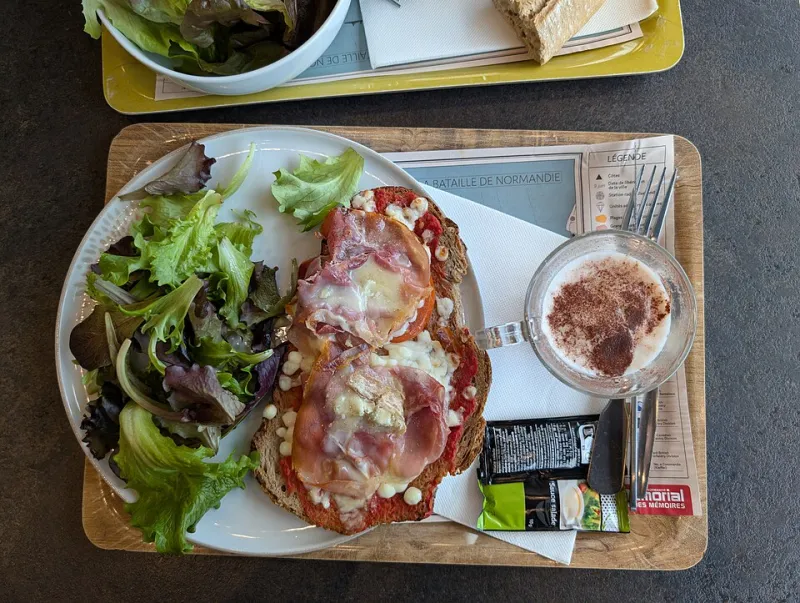
Photo: Andy Li, CC0, via Wikimedia Commons
Somewhere along the line, toast acquired a reputation problem. It became the thing you ate standing up, over the sink, while wondering where the evening went. In France, a tartine is simply bread with something on it, but the word does not promise elegance. It promises dinner. That is a different and much more useful thing.
A tartine is what happens when you stop treating bread as a vehicle for apology. It is a plate that happens to be made of bread. It is also the answer to the most dangerous question in a British kitchen at 6.45pm: what if we just had toast? The answer is yes, but properly, and with a little more conviction than usual.
First, stop calling it a snack
There is a moment in every weeknight cooking life when the fridge offers nothing but half a lemon, a jar of cornichons and a vague sense of defeat. This is not a crisis. This is a tartine opportunity. The French have been putting things on bread for centuries without once describing the result as 'picky tea'. That alone is worth borrowing.
The key is not to make toast and then look for something to put on it. The key is to decide what the tartine is, then build the bread around it. One slice. One warm topping. Something sharp. Something green. That is the entire doctrine. You can learn it in a minute and then spend the rest of your life arguing about the details, which is the most French thing you can do without leaving the house.
The formula (learn it once, argue about it later)
Start with good bread. Not necessarily an artisan loaf with a biography. A supermarket baguette that is more crust than crumb will do. Sourdough is good if you have it. A decent seeded loaf is fine if you toast it hard enough to make a point. The bread must be sturdy enough to hold dinner and thick enough to feel like a decision.
Then add one warm topping. This is the bit that makes it supper rather than a garnish. It could be cheese melting under the grill, mushrooms sighing in a pan, or fish flaking into something creamy. The warm topping should be generous but not mountainous. A tartine is not a loaded skip. It is a composition.
Then something sharp. This is non-negotiable. Mustard, cornichons, capers, lemon zest, a vinegary onion, a crumble of feta. Sharpness is what stops the whole thing sliding into nursery food. It is the raised eyebrow of the plate.
Finally, something green. Rocket, watercress, parsley, a few leaves of something that was recently alive. It does not need to be a salad. It needs to be a gesture. A handful of green on top tells the brain that this is a meal, not a relapse.
Five tartines for a Tuesday that has already won
1. The ham and Gruyère handshake
Take a thick slice of baguette. Spread it with Dijon mustard. Add a slice of good ham and a modest grating of Gruyère. Grill until the cheese bubbles and the ham edges go crispy. Finish with cornichons and a few watercress leaves. This is the classic. It tastes like a Parisian bar snack that has been promoted. Do not add pineapple. Do not add mayonnaise. We are not negotiating.
2. The smoked mackerel shuffle
Mix crème fraîche with a little horseradish and lemon zest. Toast the bread. Flake smoked mackerel over the cream, then add thin slices of radish and plenty of dill. If you hate dill, use parsley, but know that the dill was the point. This one is rich, sharp and slightly smug. It is what you make when you want people to think you have your life together.
3. The mushroom and garlic sulk
Fry sliced mushrooms hard in butter until they stop releasing water and start developing opinions. Add garlic, thyme and a squeeze of lemon. Pile onto toast, crumble over a little blue cheese if you have it, and grill until the cheese submits. Top with parsley. This is the tartine for a rainy Tuesday when the world feels beige. It is deeply savoury and faintly dramatic.
4. The goat’s cheese and pear situation
Toast the bread. Spread with soft goat’s cheese. Add thin slices of pear, a drizzle of honey and a few thyme leaves. Grill just long enough to warm the pear. Finish with rocket and black pepper. This is the one to make when you have guests and no plan. It looks intentional. It tastes like autumn in a good way, not in a scented candle way.
5. The tinned sardine vote of confidence
Mash tinned sardines with a little lemon juice, mustard and chopped parsley. Spread onto toast. Add sliced tomato and a few capers. Grilled? Not necessary. This is the tartine that asks you to stop being squeamish about tinned fish. It is salty, bright and deeply unreasonable in the best sense. Eat it with a glass of something cold and pretend you are by the sea.
The rules of engagement
Do not overbuild. A tartine is a slice of bread with a point of view, not a structural engineering project. If the topping is falling off, you have made a sandwich that lost its nerve. Use a knife and fork if you like, but only if the topping demands it. Otherwise, pick it up.
Do not serve it cold. The warm topping is not optional. The bread should be toasted, the cheese melted, the mushrooms hot. A cold tartine is just a sad open sandwich. We are better than that.
And please, do not call it cheese on toast with a passport. This is not cheese on toast wearing a beret. It is a composed plate that happens to be built on bread. The difference is the sharp thing, the green thing and the fact that you sat down to eat it.
A tartine is not an apology. It is dinner, Frenchly, with whatever you have. That is the whole doctrine. Now go and look at your bread bin with fresh respect.